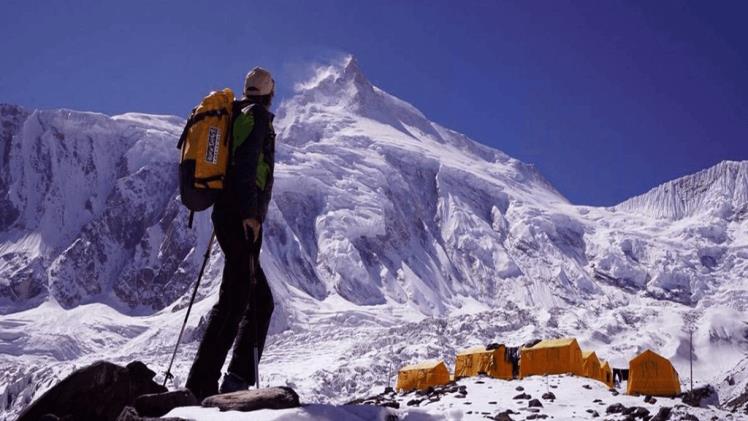
Rewritten as: One of the most riveting and at the same time most strenuous trekking tours in the world, the Manaslu Circuit Trek provides trekkers with an opportunity to unravel sights straight out of Nepal’s natural beauty store. However, what really makes this adventure both safe and unforgettable is the support and guidance of Sherpas, the local people of this region. Through physically and culturally demanding terrain like this, such as the high-altitude trek and rugged lands, Sherpas are well known not just for their extraordinary physical prowess but also for their extensive experience as guides. Trekking the Manaslu Circuit under their guidance adds an invaluable layer of experience that you cannot get alone . The most important role Sherpas play is watching over the safety of trekkers. The Manaslu Circuit climbs to great heights, including the intimidating Larkya La Pass, at 5,160m. For anyone, altitude sickness can be a serious problem here . Sherpas know the conditions on high mountains well. They look closely after trekkers, making sure they don’t climb too fast to acclimatize and operate in the event it becomes necessary. They can see Manaslu Circuit Trek Guide symptoms of altitude sickness before they get serious and respond quickly. Their presence is a source of peace for trekkers: They are being guided up to where the weather is unstable and the ground unfavorable by people who understand these conditions to some extent. Besides safety, Sherpas enriches the trek by adding ‘backstage’ conversations. The region of Manaslu is pervaded by Tibetan Buddhist traditions, Sherpas act as cultural guides: telling stories and explaining the meaning of holy spots encountered on the route. Taking trekkers past ancient monasteries, stupas, and praying wheels, they deal out more about the region’s religious practices. This cultural immersion process allows trekkers to understand the inhabitants of these local communities and their customs, as well as their worship of the mountains, which they view as sacred.
Sherpas also know the most reliable paths, and where to rest; so they are able to give trekkers confidence down the rugged roads. From Mombe, hiking along a steep, rocky trail to Bhaita is difficult and also dangerous on account of landslides that occur between Oeko Hongla and Tshodha. Sherpa assistance can make it easier to get through these obstacles, choose a safe path or make camp at a safe place. Their expertise ensures trekkers avoid such dangerous sections and that the journey is as smooth as possible. Sherpa also handles the logistics of trekking in a remote area, and booking food and lodging for guests in villages that provide few services. This support takes care of the trek but does not interfere with it, letting trekkers travel on their own paths without needing to worry about practical matters.
They also bring the warmth and hospitality of Sherpas along with everything else on the trip. That’s because they have a positive outlook regarding life in general, a cheerful attitude toward others, and a steadfast determination to make trekkers happy all the way throughout the journey. If it weren’t for their encouragement during tough stretches of trail, so much camaraderie could not develop. As a result, the trek is not just a physical trial but a chance to make lifelong friendships. The Sherpa has many roles to play: ensuring safety, sharing cultural insights, leading in steep or challenging terrain (even though it might be difficult), and providing a support network.
At last, trekking the Manaslu Circuit with a Sherpa guide transforms an already extraordinary adventure into something truly exceptional. Their knowledge, experience, and personal involvement are what make the trek not merely a physical journey but a deep and enriching experience on which the mountain remains with those who participate long after they return home. The presence of the Sherpa changes the trek, turning it from a mere outdoor activity into an adventure that is life-changing, set in one of Earth’s most beautiful and remote places.
The Basics of Sherpas
In Nepal, Sherpa support is indispensable. The Manaslu Circuit Trek has some of the most demanding and spectacular sections along its route; this makes Sherpa support necessary. The Sherpa, an ethnic group from Nepal’s mountain regions, are known for their hardiness, expertise in high-altitude trekking and practical connection to the Himalayas. Sherpas are a vital ingredient of the trek: their knowledge of local weather conditions, the landscape, and even community relations see that trekkers can traverse safely through some very remote (and usually rugged) landscapes indeed. Sherpas do more than just help with logistics; they enhance the trekker’s experience. Their extensive training and familiarity with the punishing high-altitude environments make them indispensable for negotiating particularly tough parts of the trek. Sherpa’s cart supplies, set up camps, and takes the load off the trekker so that his journey is as smooth and safe as possible. They also provide much-needed cultural input and aid in acclimatization – essential for preventing altitude sickness in trekkers amidst these high mountains. A trek in the Himalayas is something special for people to do; and whether it be companionship, local information, or handling organizational matters, Sherpas are a trekker’s bo endeavor.
The Role of a Sherpa Guide on the Trek
Sherpa guides are indispensable for giving trekkers a helping hand and ensuring success and safety on treks like the Manaslu Circuit. Professional and experienced, Sherpa guides have in-depth knowledge of the terrain and culture, and customs around it. They lead the trekkers to get into the correct path, steer them clear of dangerous courses, and make sure that everyone reaches key points on time. Sherpa guides are particularly crucial in the more remote areas, where trails may not always be so well defined and conditions can be unpredictable. Using their knowledge, they pick out good campsites that are safe from falling stones, help trekkers cope with bad weather, and generally make sure a trek is pleasurable. Far from just guiding the physical trail, they supply a great deal of emotional support and encouragement, particularly when trekkers look tired or overwhelmed by the challenges of the journey. On top of all this, Sherpas have been trained to look after sufferers from altitude sickness and to deal with injuries or other emergencies. Their presence releases trekkers to concentrate on the road and take in the beautiful scenery of the Himalayas, secure in the knowledge that they are in good hands. A Sherpa guide is not just someone who does the job; it becomes a partner to these trekkers in two senses-helping see that they will be safe both physically and culturally throughout their journey.
Expert navigation and planning of the route
Manaslu Circuit Trek Highlights During the Manaslu Circuit Trek, the role played by a Sherpa is important navigation and planning of the route. The Manaslu Circuit is trekking more than 200 kilometers around Mt Manaslu, the eighth-highest peak in the world! As so arduous a journey the trail winds here and there and is sometimes indistinct, especially through remote areas. Sherpas know the lay of the land better than their employers. They make sure that trekkers stick to the route rather than get lost in it. Along the route, they know every prominent nature landmark, and obstacle. They are also familiar with where or not there, will be human habitations, so that they can lead people over common trekking trails or explore less trodden paths with skillful precision. Sherpas are attentive to any potential dangers along the way–whether these be loose ground underfoot or unexpected changes in weather conditions. They can alter their given route if they feel there is anything wrong with it and in so doing will make civilized trekking possible for you. As they chart out how to lay the path of their trekking each day, Sherpas also make sure that trekkers can readily withstand and adapt to changes in climate. The travelers should hold their horses and ease into a pace that suits everyone, having taken the locale and general fitness of their group into account. When unmapped situations arise, such as heavy snowfall or bad conditions on the track, Sherpas are quick to adjust and alter their route plan. This not only guarantees safety for everyone traveling together but also adds assurance to those who benefit from strong guidance. With a Sherpa guide for trekking, you can be at ease knowing the route was planned by someone who knows everything about what is passes and goes.
Safety Measures and Emergency Assistance
At altitude, where safety hazards abound, Sherpas play a crucial role in seeing that every last trekker is safely brought home/safe and sound. Given its high altitude and the physical exertions required to trek up there, altitude sickness is a major worry on the Manaslu Circuit. Recognizing, and capable of responding quickly and effectively to, the early symptoms of altitude sickness, Sherpas with their knowledge of the mountain areas are skilled in managing such disorders-including things like adjusting elevation or giving first aid as needed. They also know the proper methods for treating other medical events that may occur as a result of altitude, such as accidents or illness. Minor trekkers’ injuries like sprains, cuts trains, and blisters are all things they have seen before but know when they require further professional attention. And should things take a turn for the worse, Sherpas can quickly establish contact with local rescue services – if need be, they will arrange to have casualties evacuated, be it by helicopter or any other means available. Their close knowledge of the locality and its threats makes them excellent at forecasting dangers, such as landslides or weather shifts, and taking steps ahead of time to avert harm from coming to pass. Thus Sherpas are a constant caring presence throughout your trip, providing essential safety and comfort.
The Sherpa’s knowledge of local cultures and traditions, In Late May 2014.
Trek to Manaslu Base Camp If you are lucky enough to have a Sherpa guide, you can experience the trek in an even more rich and interesting way. Not just guides, Sherpas are in effect cultural ambassadors and can offer trekkers an even clearer insight into the local heritage, customs, and beliefs. Whereas traditional Nepali culture ends at the Gorkhas, the Manaslu region still takes in a unique blending of Tibetan culture and Sherpas act as the intermediaries between this variety of influences. On the trek, Sherpas often regale trekkers with stories about local legends, the histories of ancient monasteries, and the religious practices of the village where they live. They bring trekkers to places of cultural meaning, such as monasteries, stupas, and prayer wheels, and explain their significance as well as the rituals connected with them. Sherpas also function as a bridge between trekkers and the local people allowing them to have an intimate encounter with the life of each community on their route. In this way, it adds to the variety and fun of your trek. You get to learn about everyday life, customs and peoples’ ways of thinking in general who call their house The Himalayas. Sherpas often assist trekkers in understanding that they should respect sacred sites and interact properly with the área residents. For trekkers, this cultural education deepens their experiences of the entire journey, bringing lasting memories not only of a physical adventure but also of an artistic and spiritual exploration of Himalayan life itself.
Acclimatization Strategies and Assistance
Acclimatization is a key part of the Manaslu trek, and Sherpas help improve trekkers’ chances of success in high-altitude trekking. At Larkya La Pass on this trek altitude of over 5000 meters, one is exposed to acute mountain sickness. The Sherpas are very familiar with conditions in this part and so can help ensure trekkers acclimatize effectively, thus avoiding such potentially fatal symptoms as Acute Mountain Sickness (AMS). One of the main ways Sherpas ensure trekkers become acclimatized properly involves the principle of “climb high, sleep low”: whereas a trekker might ascend to ever higher altitudes during the time, the altitude at which he or she sleeps is lower than that of previous nights. The human body can then gradually spare itself the stress imposed by not enough oxygen on high mountain heights. Sherpas also keep a close eye on trekkers for any symptoms of altitude sickness they may be showing, such as headaches, dizziness, or nausea, and advise that they either slow up or descend to lower elevations. They can also advise trekkers to take rest days in key places like Samagaon, where they will go to sleep at a lower altitude. This will help trekkers better acclimatize before the next time they climb the hill all wore out from an extra effort which made it hard to catch their breath! Nutrition, as well as hydration, is another matter on which Sherpas are fully competent to advise trekkers. At high altitudes developmentally appropriate advice will make all the difference to whether or not a party comes through its trek safely. With the help of a Sherpa, trekkers are able to make the proper preparations for acclimatizing, and thus health throughout their trip is assured.
Meeting the Challenges on the Trail
Manaslu Trek Reviews On this brutal trail called the Manaslu Circuit, trekking is a tough old exercise. We have rough grounds; we are often at great heights; and the sky May suddenly cloud up and rain down on us as quick as you please–all these provide numerous difficulties. Therefore, if you want to successfully meet these challenges, you must have an experienced sherpa by your side to help deal with them. THE MORE YOU CAN EXPERIENCE, the better off you’ll be. In steep places or narrow ridges, when the weather has turned bad and thick ice gathers quickly on top of layers of thick snow, Sherpas provide valuable guidance and support for trekkers struggling up 2000 m face cliffs with only 2 days rest behind them. They also help trekkers pace themselves to avoid exhaustion, and ensure that they properly acclimatize to the altitude–preventing altitude sickness. Their well-rounded knowledge of the lay of the land saves you from getting lost on difficult paths such as sections with ice or other slippery stuff and areas that are prone to landslides. Sherpas also know the best rest places along the route, allowing you to rest and prevent overexertions. In case of an emergency their well-honed first-aid skills and fast decision-making can be life-saving, making the trek that much safer for all concerned. Sherpas share their vast experience with you, enabling you to confidently weave your way through obstacles and thus more fully enjoy the trek.
Building a Personal Connection with Your Guide
Trekking with a Sherpa is not just about having a guide; it’s about building a personal connection, which enhances the experience. Sherpas are known for their warmth, hospitality, and genuine concern for trekkers. Over the course of the trek, you’ll probably form a bond with your guide as they share stories, local culture, and their own experiences. This connection is based on mutual respect: Sherpas not only guide you through the terrain but also engender an atmosphere of trust and camaraderie. Often they also function not merely as a guide but as a partner standing beside you, giving you courage and urging you through difficult moments. Whether they offer a word of encouragement when things get hard or explain the meaning of sights you’re passing, Sherpas inject a personal element into the journey. This bond enriches the experience of trekking: not only do you gain insights into the physical road, but also form relationships with people and the culture of the region which will create lifelong memories.
The Impact of the Sherpa on the Trekking Experience
Manaslu Circuit Trek 2025 Sherpas play a key role in trekking the Manaslu Circuit. They act not only as guides, but also as companions who can help you make a gigantic difference. Sherpas add value to the journey in ways that extend beyond logistics. Their intimate knowledge and experience of the terrain, culture, as well as the weather patterns, make sure that your trekking experience goes off without a hitch-safely and efficiently. Sherpas provide insight into local customs, religion and traditions, as well as making the trip more meaningful by enabling trekkers to get in touch with the local community. Furthermore, a Sherpa’s courage and cheerfulness often become a catalyst for the trekkers to overcome both physical and mental barriers. Sherpas also are noted for their uncanny ability to come up with solutions on the spot when confronted with unexpected challenges like weather frustrations or medical problems. With them around trekkers are assured of both success in completing the trek and a deeper appreciation from being there to take away on the environment, culture,e, and mountains in Nepal. Without a Sherpa’s guidance, it would be more difficult and less rewarding. Sherpas bring along with them a melting pot of know-how, warmth,h, and open-hearted friendliness that transforms the journey into an experience of la lifetime.
The Roles of Sherpas in Mental or Physical
Hardiness Modern trekking in the Himalayas—such as on Multistage trails like Manaslu Circuit—leaves its mark on your mind and body. Sherpas provide a crucial supporting role for trekkers, helping them through the difficult moments that sometimes occur, and raising morale at the end when trekkers no longer think they can bear it anymore. They appreciate the human cost of the high altitudes, the steep ups and downs, and long days. By regulating the pace and arranging regular rest periods, Sherpas help keep trekkers from overexerting themselves, thereby avoiding physical exhaustion or altitude-related illnesses. During difficult times, they can also be psychological props, rationalizing PCTs to both hearten and motivate trekkers. Sherpas’ mindset of optimism and kind words frequently serves as a morale booster, giving trekkers the courage to go on when they feel as if they cannot. In addition, the intimate relationship between the trekker and Sherpa can provide emotional support, giving trekkers confidence. Sherpas are not only physical guides but also motivators, helping trekkers address the psychological and physical strain inherent in multistage treks.
The environmental and ethical role of the Sherpas
Manaslu Circuit Trek Preparation In the Himalayas, Sherpas are the drivers of the environment and local culture. It is much more than just a simple through route: when traveling along the Manaslu Circuit, for instance, trekkers must negotiate delicate ecosystems, and proper stewardship by the Sherpas is crucial. They are concerned about keeping the natural beauty of the mountains intact and seek to impart their philosophy of responsibility for nature to trekkers. This includes promoting environmentally friendly practices such as “packing in, pack out” for trash management and not doing things that might harm local wildlife. Sherpas stresses the importance of showing respect for local cultures, particularly the Tibetan Buddhist traditions that are such an important part of many communities along the circuit. They take trekkers through hallowed areas to tell them what is correct cultural etiquette and what isn’t. By sharing with trekkers the environmental and ethical side of trekking, Sherpas hopes to foster a sense of responsibility and promote tourism practices that are sustainable. Their attentiveness to both nature and culture guarantees the trekking experience is rewarding but at the same time respectful and sustainable, not only leaving no trace behind in its wake but also ensuring that future generations can enjoy a Manaslu that remains unspoiled.
Conclusion: Why Sherpas Make the Manaslu Trek
Manaslu Trek Safety Tips Unforgettable The presence of Sherpas makes the Manaslu Circuit an unforgettable trek. These people are responsible for protecting the power of this whole pilgrimage. They are at once guardians, interpreters, mood-makers, and company. Using their unique skills in altitude and climbing, the Sherpas make sure there is no danger for the trekkers. That allows you to appreciate all the more the stunning sights around you from 200 meters (670 feet) above ground level. Their boot is also a life ashtray for trekkers, whose B Nt (Brand New trekking boat) with hors d’oeuvres has not yet flexed its 21s days. All of these long-lasting bonds with trekkers, established during everyday life on the mountain, make the trek feel even more rewarding. It’s important to have Sherpas alongside trekking companions to help them build up the physical and mental strength necessary to tackle this challenge. Not to mention the importance of maintaining both an enjoyable journey and a sense of responsibility toward the environment and local culture, which in turn refreshes one’s spirit in this journey. To trek with Sherpas anywhere of their own choosing along The Himalayas, however difficult it may be temporarily, makes not only a challenging experience but also an unforgettable experience of warmth, hospitality, and the kind And who received or fashioned later Buddhist faith has left his mark on it as well.


